
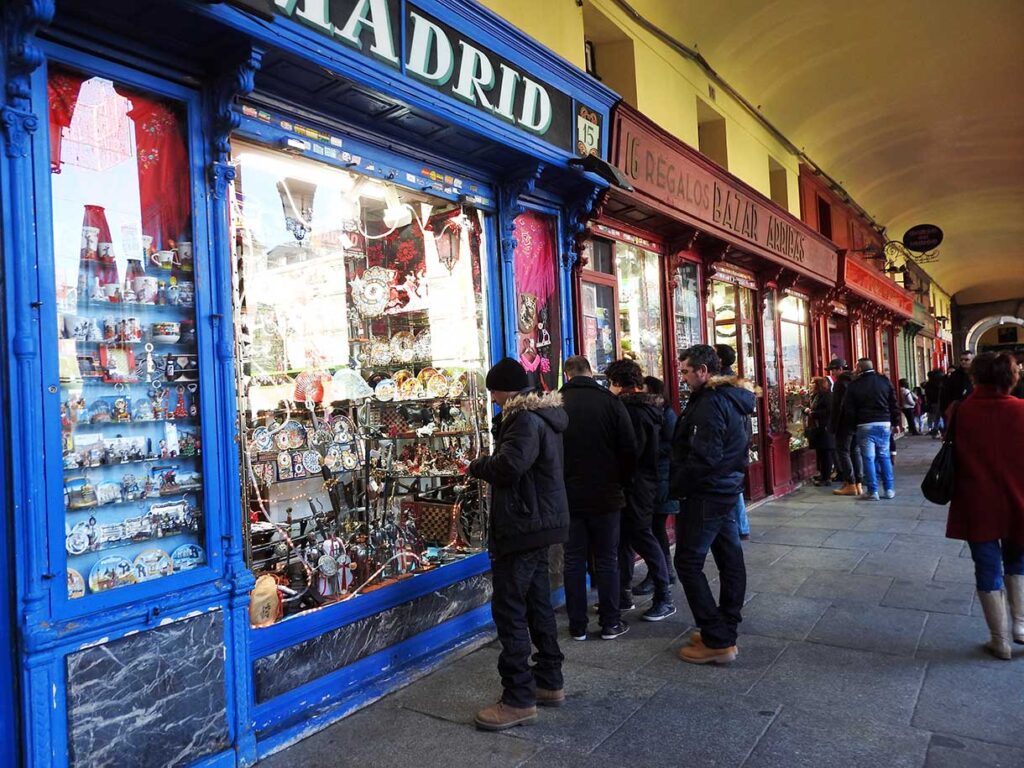
I recently returned from my second trip to Madrid, Spain. My first trip to Madrid was a spontaneous weekend escape from Barcelona, and I didn’t remember being particularly enamored with the city. So, when my employer asked me to return to Madrid last month to show some new colleagues around, I was second-guessing the opportunity. Was Madrid worth visiting again? Could I drum up enough enthusiasm for the Spanish capital to ensure my new coworkers loved every moment of their trip?
Overall, I had an enjoyable second visit to Madrid and certainly didn’t feel like I’d wasted my time by returning to the capital of Spain. The people I was leading on our tour enjoyed their first visit, and some of them said that it was their favorite spot on the trip! Still, though, I had thoughts about whether or not, for the average traveler, Madrid is worth visiting…

What is Madrid Famous For?
In my experience, Madrid is famous for three things:
- The Real Madrid football team
- Being the capital of Spain
- Every traveler wondering if it’s worth adding to their Spain itinerary
It’s true that Madrid has very few “big name” tourist attractions that are known around the world. Most travelers planning a trip won’t know how they are going to spend their time in Madrid until they start researching their trip. Similarly, if you arrive in Madrid without a plan, and hope to just “wing it”, you’ll probably have a hard time finding the interesting things to see and do in Madrid.
Madrid vs. Barcelona for Travel
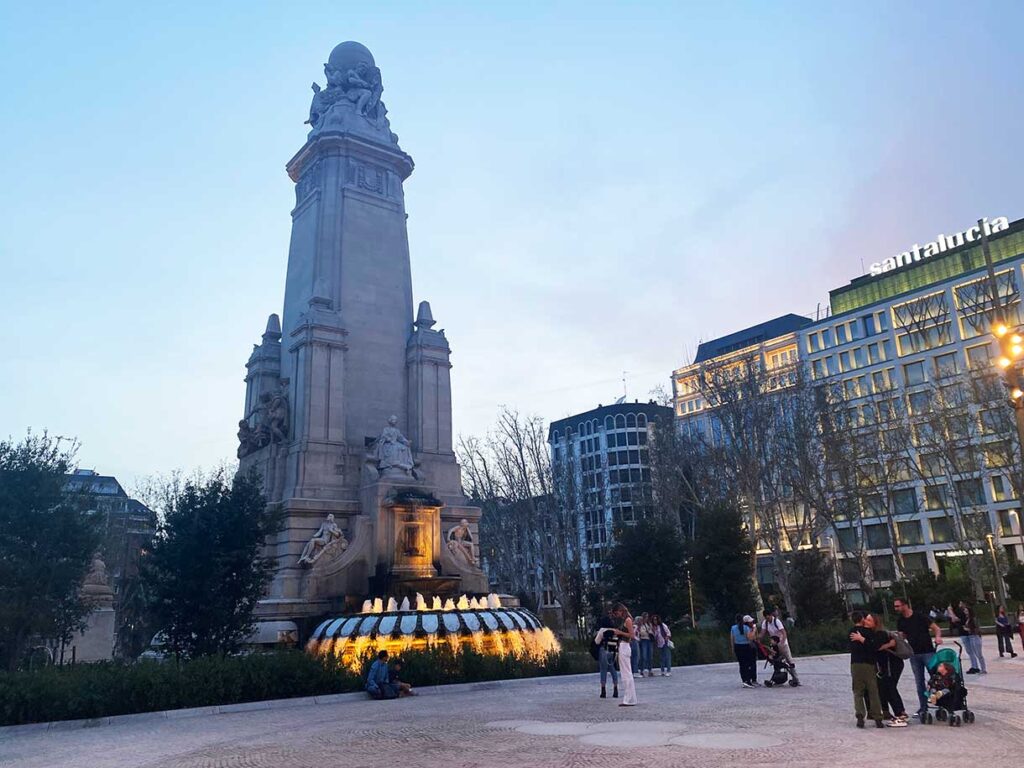
In my mind, I have always juxtaposed Madrid and Barcelona. Both of my trips to Madrid have also included a stop in Barcelona, but I have taken many trips to Barcelona without even thinking of also including a stop in Madrid. So, in my opinion, here are a few of the key differences for travelers choosing between Madrid and Barcelona:
| Madrid | Barcelona |
| Five million tourists visit annually. | Ten million tourists visit annually. |
| Landlocked in the middle of Spain, near hills and mountains. | Beachfront location on the Mediterranean Sea. |
| Continental climate with hot, dry summers and frosty winters with occasional snowfalls. | Mediterranean climate with hot, dry summers and cool winters. |
| Stately government buildings and royal palaces. | Modernist architecture designed by Antoni Gaudi and his contemporaries. |
| The average cost of travel per day for a mid-range traveler is about €135 per day (double occupancy). | The average cost of travel per day for a mid-range traveler is about €175 per day (double occupancy). |
| World-class art museums with well-known masterpieces. | Smaller museums often focused on a single artist or a private collection. |
| Culinary specialties include churros with hot chocolate, pork stew and fried squid sandwiches. | Popular local dishes include fideua (like paella, but made with noodles), grilled vegetables and crema catalana. |
As you can see, Barcelona receives twice as many tourists annually as Madrid. Thus, there are more businesses catering to tourists in Barcelona, from hostels and hotels to restaurants to tour companies. On the flip side, though, it can feel more difficult to escape the tourist crowds in Barcelona.
In Barcelona, the millions of tourists in the city aren’t burdened by things like work, so it really feels like there are more people out and about, sipping coffee, sharing tapas and laughing into the night in Barcelona. The city has a fun, rebellious energy and often feels like it never sleeps.
On the other hand, as the administrative capital of Spain, Madrid’s tourist population is balanced by an equally-sized population of local workers who are just going about their daily lives and business. You might not find madrileños playing bongo drums on their balcony at 3:00 am… but when that balcony is across from your hotel room you’ll appreciate the good night’s sleep!
How many days in Madrid is enough?

On both of my trips to Madrid I have had two full days in the city (not including travel days or day trips, like to nearby Toledo, Segovia and El Escorial). If you’re an efficient sightseer who only wants to visit one or two museums (the Reina Sofia and the Prado are the two most famous) then you can easily see Madrid’s highlights in two days.
If you’re a more leisurely travelers who likes to amble around the city center and might want to visit more than one or two museums, you could add a third full day to your Madrid trip. And if you want to do any day trips, add in extra time for those.
Is Madrid Boring?

Although Madrid isn’t boring to visit, a trip to Madrid can involve more boring moments then you would have in other cities. The layout of Madrid’s main tourist attractions means that you’re often backtracking through the same streets, or traveling through uninteresting residential or commercial areas, to see the city’s main sights.
Similarly, I would say that Madrid has more things to see than things to do. If you asked a local about the best things to do in Madrid they would probably say you could go to a plaza and look around, go to a park and look around, or go to a museum and look around. There aren’t as many hands-on, interactive and engaging things to do in Madrid as you would find in other big European cities.
Why Should You Visit Madrid?
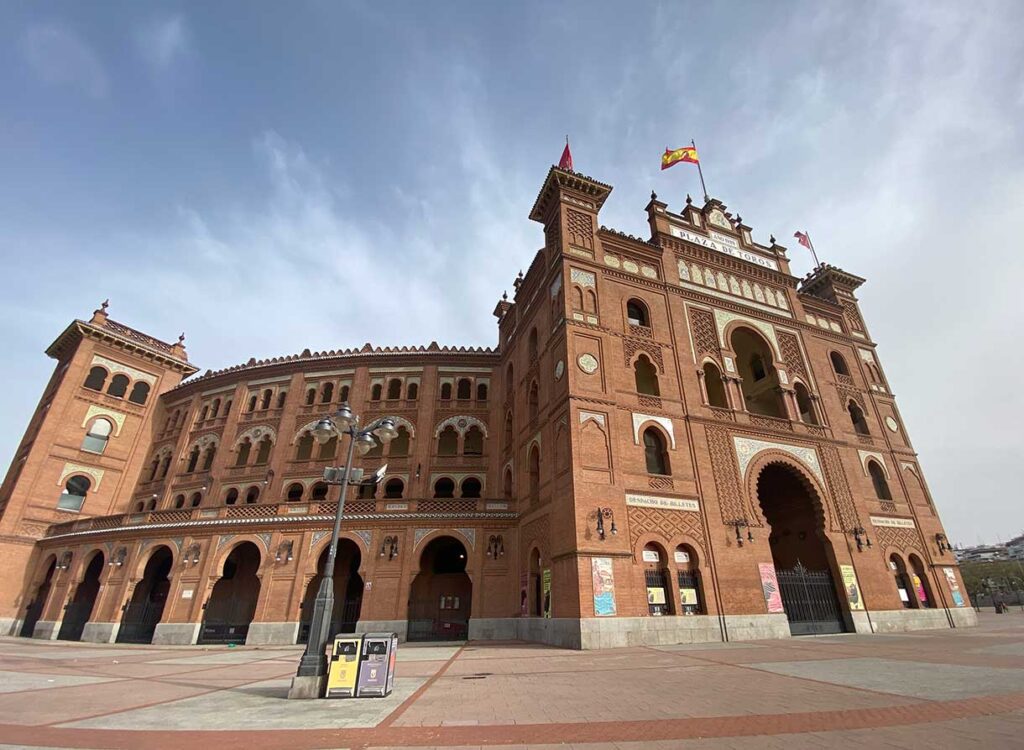
When I think about who would enjoy a trip to Madrid, I think about a very self-motivated traveler who enjoys researching a destination, planning different things to do, and exploring independently.
If you just show up in Madrid and take the metro to Plaza del Sol, for example, you’ll probably stand there, looking around and wondering, “What now?” But if you’ve invested the time in understanding the layout of the city, looking into which museums and other attractions you’d find interesting, and thinking about how to group different activities based on their locations, then you’ll feel a sense of satisfaction when you leave Madrid knowing that your planning paid off.
Madrid is also a great city for art lovers. If you enjoy spending a day inside a museum or art gallery looking at masterpieces, then you’ll enjoy visiting Madrid’s Prado Museum (classical masterpieces) and Reina Sofia National Art Museum (with more contemporary works from artists like Dali and Picasso). You’ll also want to visit some of the city’s smaller art museums, where you can find more specific and/or private collections.
Why Should You Skip Madrid?
As I said before, if this is your first trip to Spain and you haven’t scheduled time for Barcelona, Valencia and the cities in Andalucia, then I would recommend skipping Madrid on this trip. Simply put, those Spanish cities have a denser concentration of notable tourist attractions that give you that “wow” factor around every corner.
I also think that Madrid could be underwhelming for a very novice traveler who doesn’t have much experience planning trips, as Madrid isn’t as intuitive to explore as many other European capitals. If you don’t know much about Madrid and want to add it to your Spain itinerary, I highly recommend buying and carrying the Rick Steves Snapshot Madrid guidebook, as it will help you make the most of your time and money.
And, finally, if you’re looking for a high-energy, adventurous holiday, Madrid probably isn’t the right choice.
So… Is Madrid Worth Visiting?
Okay, let’s conclude with the answer to the most important question. Yes, Madrid is worth visiting… sometimes, for some people.
In short, Madrid wouldn’t make my list of the Top 5 Cities in Spain, but I would definitely include it on a Top 10 list. For travelers with a limited amount of time in Spain, I would personally recommend saving Madrid for your second trip to the country. Yes, Madrid is absolutely worth visiting, but not until you’ve already seen a few other beautiful Spanish cities.
If you’ve already been to Barcelona, Valencia, Seville, Granada and Cordoba, then Madrid is worth visiting on your next trip to Spain.
Have you been to Madrid? Do you agree with my opinions? Let me know in the comments!
You can also read all of my Spain travel guides here.
Planning a trip? Pin this post for later!
 |
 |