

Whenever young people ask me how they can travel the world, I always recommend that they start by studying abroad. After all, studying abroad was an integral part of my two longest overseas trips.
When I was twenty, I moved to Barcelona the day after my university graduation ceremony. There, I enrolled in a four-week Teaching English as a Foreign Language (TEFL) course and then spent almost two years teaching English in Europe.
Later, I went back to university. As part of my professional degree I signed up for a semester abroad program in Mexico. It was not a traditional semester abroad program – instead of taking classes at the local university I actually worked in its attached secondary school while continuing to take my home university’s classes online.
Studying abroad allowed me to pursue my educational and professional goals while also pursuing my personal passion – travel. I never felt like I was “putting my life on hold” or delaying “real life”, which helped alleviate some of my anxiety around whether I might be traveling “too much”.
Getting ready to study abroad can feel overwhelming. It’s hard to know how to choose the right program and how to prepare for your journey overseas. So, considering that I’ve studied abroad twice, on two different continents, through two completely different programs, I thought that I would share my personal guide to studying abroad.
Is studying abroad right for you?

I often re-tell the story of my first night alone in Barcelona. I took the metro from my homestay apartment to Placa Catalunya and ate dinner alone at the cafeteria in the El Corte Ingles department store. Then, I went to a pay phone outside, called my parents and sobbed. I was alone in Spain. I didn’t speak Spanish. I couldn’t communicate with my homestay mom. I didn’t have any friends. (And later I got lost on my way home, in the pouring rain, though I wouldn’t have known that at the time.)
Of course, things got better over time. However, my point is that studying abroad can be stressful and it’s a lot easier when you have some specific personal characteristics.
- First, you need to be resilient. It is inevitable that thing will go wrong during your study abroad experience, and you need to feel mentally, emotionally and physically equipped to deal with these challenges yourself. If you ever feel paralyzed by stress or if you struggle with solving complex problems, studying abroad isn’t right for you.
- Second, you need to be flexible. When you’re studying abroad in a new country, you will have to adapt to a completely different lifestyle. I was so annoyed when I discovered that my Mexican hometown didn’t have any kind of bus and train transfer system or monthly pass. If your trip required a bus, then the metro, then another bus, you had to pay for three separate tickets! You’re going to find that all sorts of things are different, and while you can complain (briefly!) you also need to be prepared to just go with the flow.
- Third, you need to be independent. When you’re studying abroad you won’t have your normal support network close at hand, and you can’t expect your local school or your new friends to do everything for you. It’s important to be able to say to yourself, “Even if I’ve never done this before, I can do it today.”
If you feel like you have those traits already, you’re probably a good candidate for studying abroad. If you’re not sure, take a little bit time at home to build those skills before you throw yourself (and your education) into an unfamiliar environment.
Where should you study abroad?
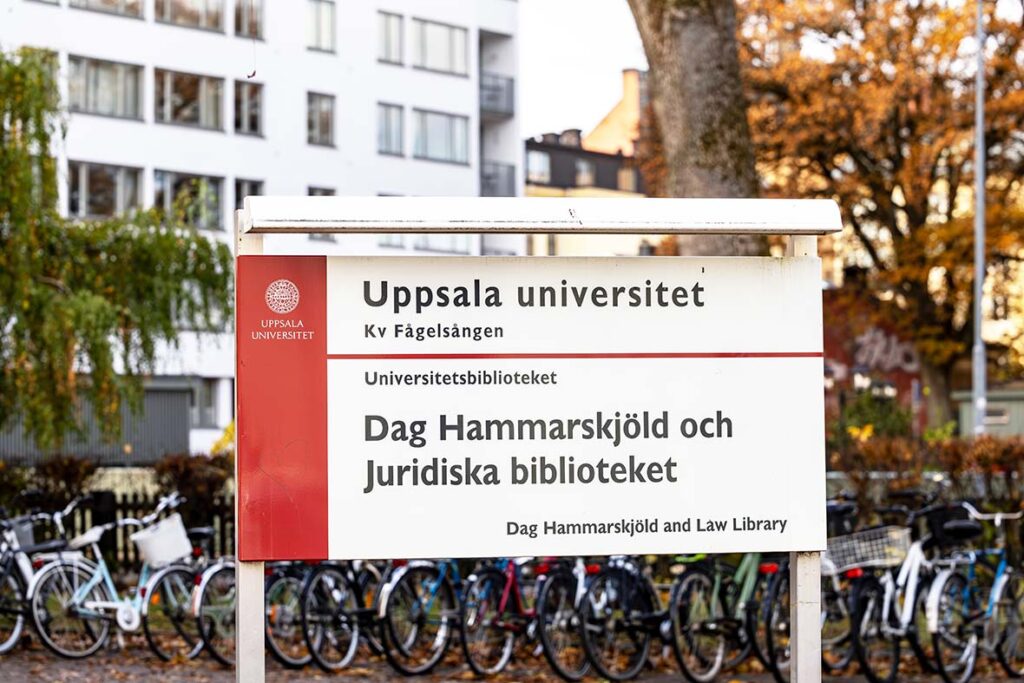
There is no right or wrong answer to this question, but there are three key factors to consider as you narrow down your list of possible study abroad destinations.
Accreditation
My main priority has always been choosing accredited programs that are recognized in my home country and around the world. I chose to do my TEFL training at International House Barcelona because they offered a Certificate in English Language Teaching to Adults (CELTA) program. It is widely recognized as being one of the most reputable four-week programs. Later, when I studied abroad in Mexico, I picked a program that was fully organized by my home university. They guaranteed that as long as I chose classes from the list provided, I would get credit upon my return to Canada and I would be able to graduate on time.
Cost of Living
Affordability is a huge factor in choosing where to study abroad. My Canadian university offered programs in Mexico, Spain, Germany, Australia, Japan and Uganda. Uganda clearly had the lowest cost of living, but after factoring in flights, vaccinations and visas the costs started to rise. Spain, Germany, Australia and Japan all involved an expensive flight and higher cost of living. Mexico appealed to me because even after I considered the cost of flights and visas, I could save about $500 a month more than if I was living at home.
Supports and Services for Visiting Students
Third, compare the supports and services offered to exchange students in each study abroad program that you’re considering. In Barcelona, my school organized a homestay for me during the program and also had a bulletin board of accommodation for rent for students who decided to stay on afterwards. In Mexico, however, I received no support with finding accommodation. My language school in Barcelona organized social activities where we could meet other students, teachers and local residents, while my university in Mexico didn’t have any kind of assistance or support for foreign students.
Where should you live?

Most study abroad programs offer a variety of different accommodation options. In the world of Airbnb, it’s easy to go online and book a private apartment, or a room in a shared apartment, for the duration of your stay. If you’re a confident and independent traveler, this option could work really well for you. Now that I’ve lived in four countries and traveled to forty-five more, this is definitely the option I would choose today.
However, a lot of programs prefer that you choose one of their provided accommodation options.
Many schools offer homestays, where you rent a room from a local person or family. Often, this includes some kind of meal plan (just breakfast, “half board” of breakfast and dinner, or “full board” of three meals a day) and transfers to and from the airport. In my experience, host families can be very hit or miss. Some love interacting with their students and sharing their culture, while others are only in it for the money. If you choose a homestay, make sure to let the coordinator know about any preferences you may have around smoking, pets or nutritional requirements.
As well, some school have dormitories for students who are studying abroad. A friend of mine studied abroad in Italy and was assigned to an off-campus dormitory. It was a regular apartment building that was owned by the university and had been converted into shared student apartments. She and her roommate shared a single open space with a kitchen, living room and sleeping area (the beds were divided by a wall of closets, at least, but were still open to the rest of the space). They also had a small bathroom (with walls, fortunately!). Other dormitories are more traditional, with a private or shared bedroom space, along with communal living areas and a cafeteria or dining hall.
What should you do during your time abroad?
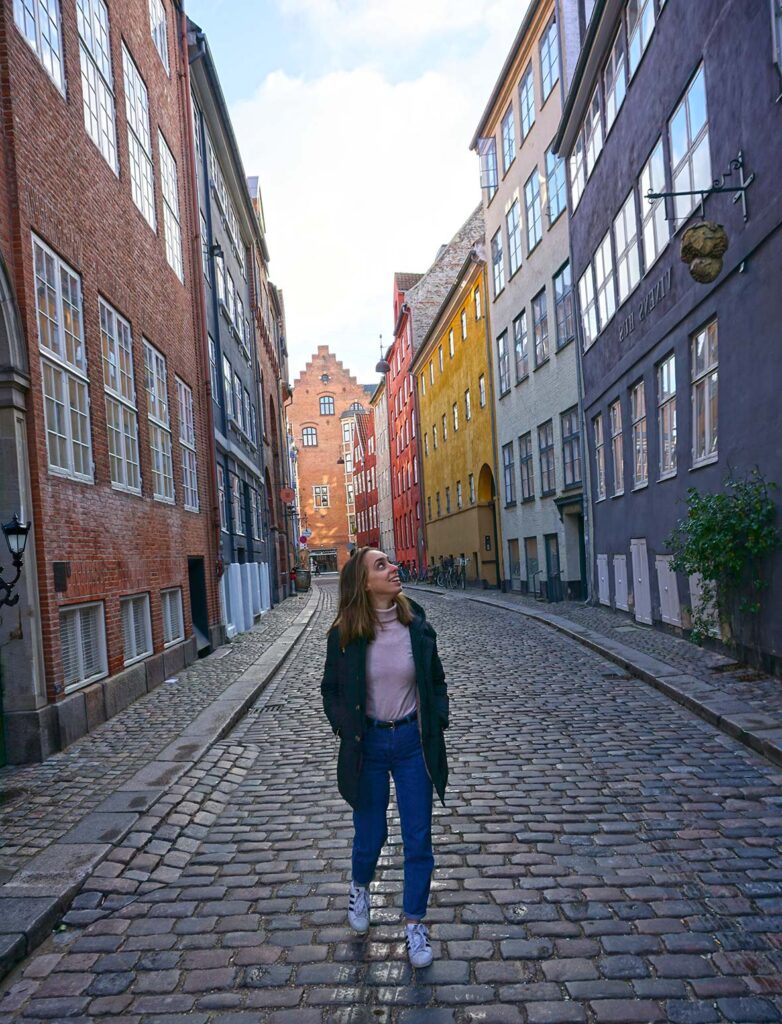
For starters, you should go to class! If you return home without any academic credentials to your name, your study abroad period will have been nothing more than a really expensive vacation. Make sure you understand how your new school calculates marks. Do they factor in attendance? Do you really need to complete all of the homework? Once you know their expectations, you can start to balance learning time with fun time.
Second, get involved with your new community. If your schools offers optional activities, opt in! If there aren’t formally organized activities, take the lead and start a Facebook group for foreign students at your new school. Use the group to connect with other people, share local tips and plan group activities. If you’re feeling isolated, consider using some of my strategies for making friends when you travel (which I wrote especially for people who aren’t staying in hostels!).
Third, explore your new home! It’s easy to revert back to old habits, like hanging out at Starbucks and Skyping your friends back home, but studying abroad is about immersing yourself in the local lifestyle. Shop for new foods at the local supermarkets. Buy new clothes from a local designer instead of H&M. Hop on the subway system, get off at a random spot and see what you find. And plan lots of long-weekend trips to nearby cities and towns.
Does your health insurance cover studying abroad?

The answer to this question will vary from school to school (including both your home school and the place where you choose to study).
Personally, when I took my CELTA course in Spain, my insurance from back home in Canada didn’t cover me. When I went to Mexico, my Canadian public health care plan didn’t provide any coverage and my university’s health insurance plan for students only covered supplementary expenses (like prescription medication), so I needed a travel health insurance plan that accepted students who were studying abroad to provide emergency medical coverage, like ambulances, hospital stays and even emergency evacuation.
It’s really important that you check with your health insurance provider to see if they’ll cover you while you study abroad. If they don’t, you must buy supplementary health insurance!
For more information about travel health for long term trips, read my complete guide to pre-trip travel health planning.
Is studying abroad worth it?

In my opinion, yes! Studying abroad is an amazing way to enrich your educational experience. Let’s be honest: college and university can get boring, fast. Changing your scenery and incorporating a new adventure into your academic program can be just the shake-up you need to stay motivated with your studies.
Studying abroad is also an excellent way for travel fanatics (like myself!) to explore the world without feeling like you’re falling behind in your life plans. If you choose the right program in the right destination, studying abroad can feel like a vacation, but still have huge academic and professional payoffs later.

Have you ever studied abroad? Where did you go? What advice would you have for other girls thinking about studying in another country?
 |
 |