
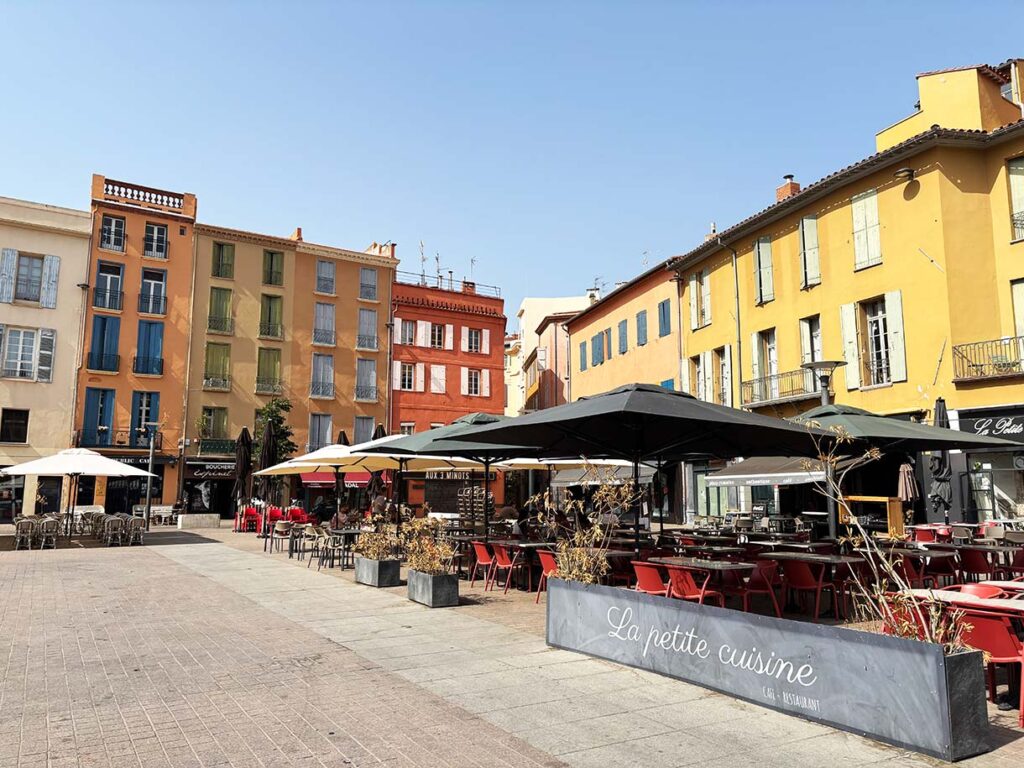
I recently spent one week in Perpignan, France, as part of a two-month trip across Catalonia and the French Pyrénées-Orientales. Although Perpignan is not a city that many international tourists visit, I was really glad that my itinerary allowed me to spend several full days exploring the city’s rich history, culture and day trip opportunities.
If you’re looking for a relaxing city break in France with good food, access to a beach and friendly people, in a town that combines the best of French, Spanish and Catalan culture, then Perpignan could be the ideal destination to add to your next Europe trip.
This guide to the best things to do in Perpignan will primarily focus on things you can do see and do on foot in the historical city center. At the end I’ll also mention a few day trips that you can take using Perpignan’s excellent bus network or with your own personal vehicle.

The Palace of the Kings of Majorca
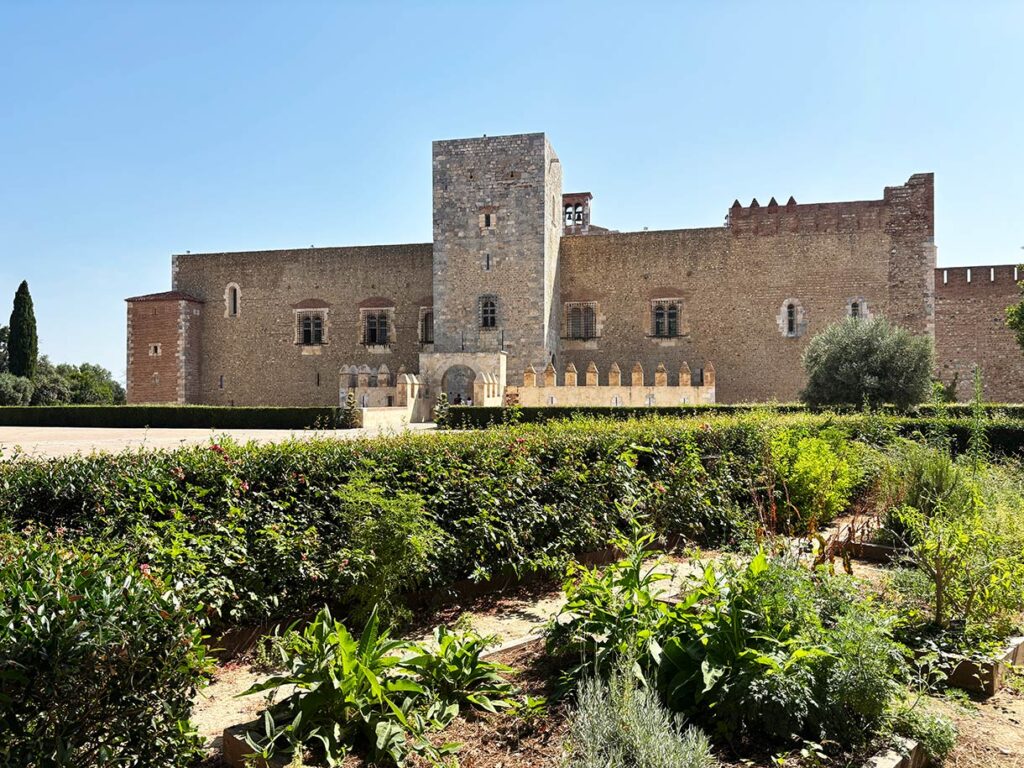
This was the first place I visited in Perpignan and it was definitely worth prioritizing. Construction on this hilltop fortified palace started in the late 1200s, when Perpignan was designated as the capital city of the Kingdom of Majorca.
At the entrance you can pick up a laminated map that will guide you through the clearly-numbered self-guided tour route, starting with the barbican and passing through spaces like the throne room, the royal chapels and the courtyard of honor. At the end of your visit you’ll find several rooms of exhibits (which may change) – at the time of my visit there was an exhibit about the gemstone garnet (which is found throughout the region) and an immersive light and sound show called the Illuminated Garden.
An adult ticket costs €9, and admission is free for everyone 24 and under. Admission is free on the first Sunday of the month during the off season (from October to June).
I noticed that no other visitors were taking the time to explore the castle’s gardens, which surprised me as they were probably my favorite part of the site! Planted with indigenous species and creating a calm, cool environment, the gardens offered beautiful views of both the castle and the city below.
Cathedral of Saint Jean the Baptist
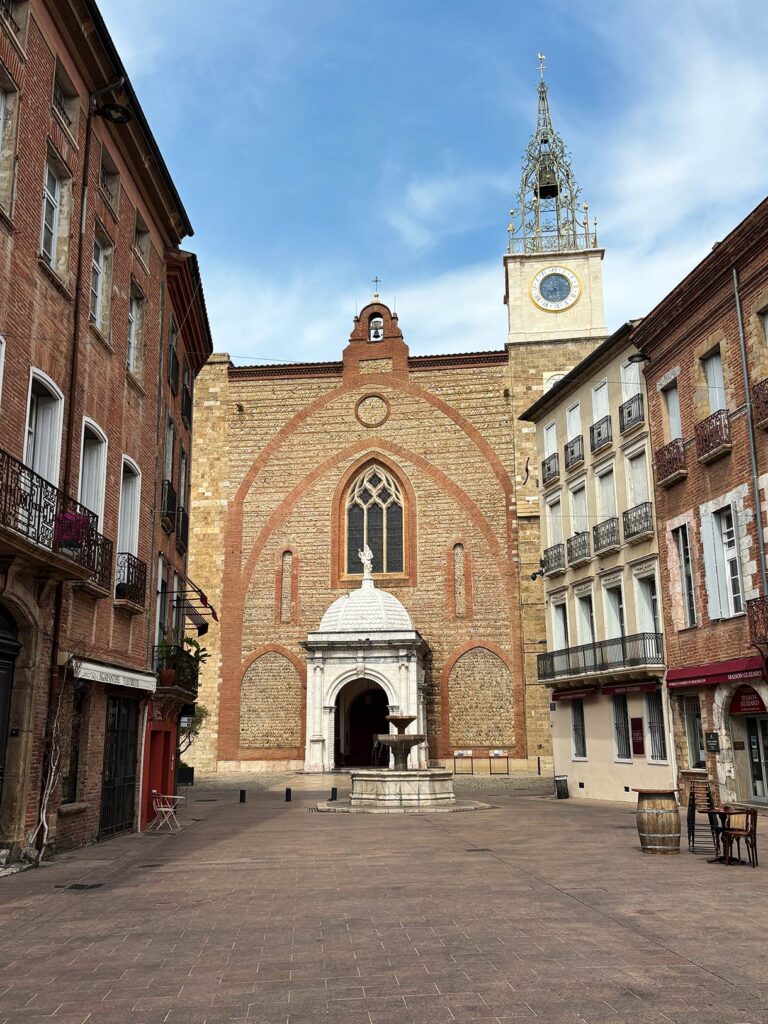
One of the most iconic landmarks in Perpignan is the Cathedral of Saint Jean the Baptist, a fourteenth-century Gothic cathedral that is free to visit. Inside you can see eighteen chapels, stained glass windows and a historic medieval organ.
Adjacent to the cathedral you will find the Campo Santo, the church’s former expansive funerary cloister. Today it’s an event venue, but since they weren’t hosting any events during my visit I wasn’t able to look inside.
Hotel Pams
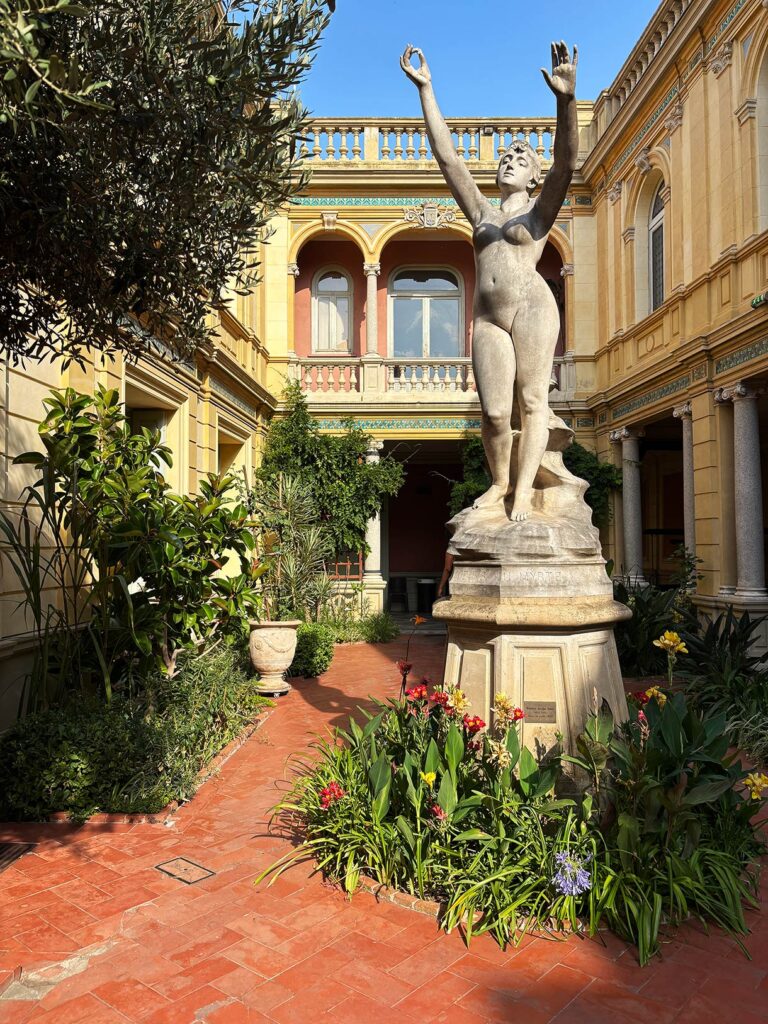
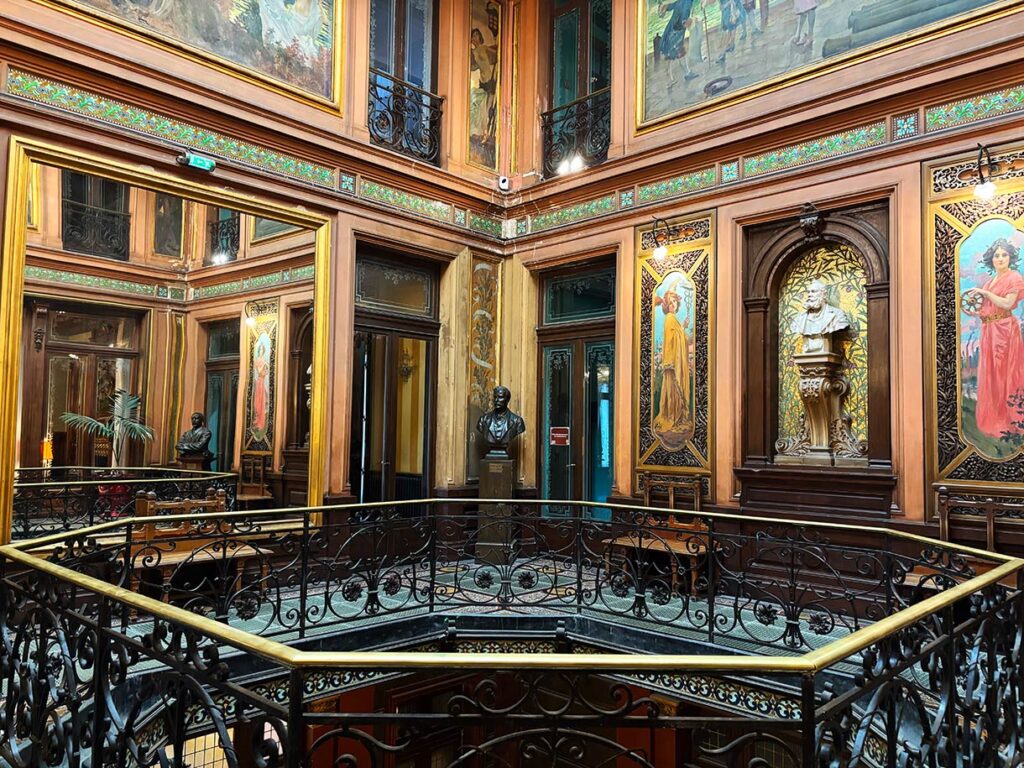
It’s free to visit Hotel Pams, the former home of one of Perpignan’s most wealthy families. The building is primarily known for two features: the entrance hall with its grand staircase and glass-domed roof, and its interior garden courtyard with pretty statues.
The mansion is well-signed in French, so with the help of Google Translate you can easily learn about the history and architecture of the building as you are wandering inside.
Les Halles Vauban
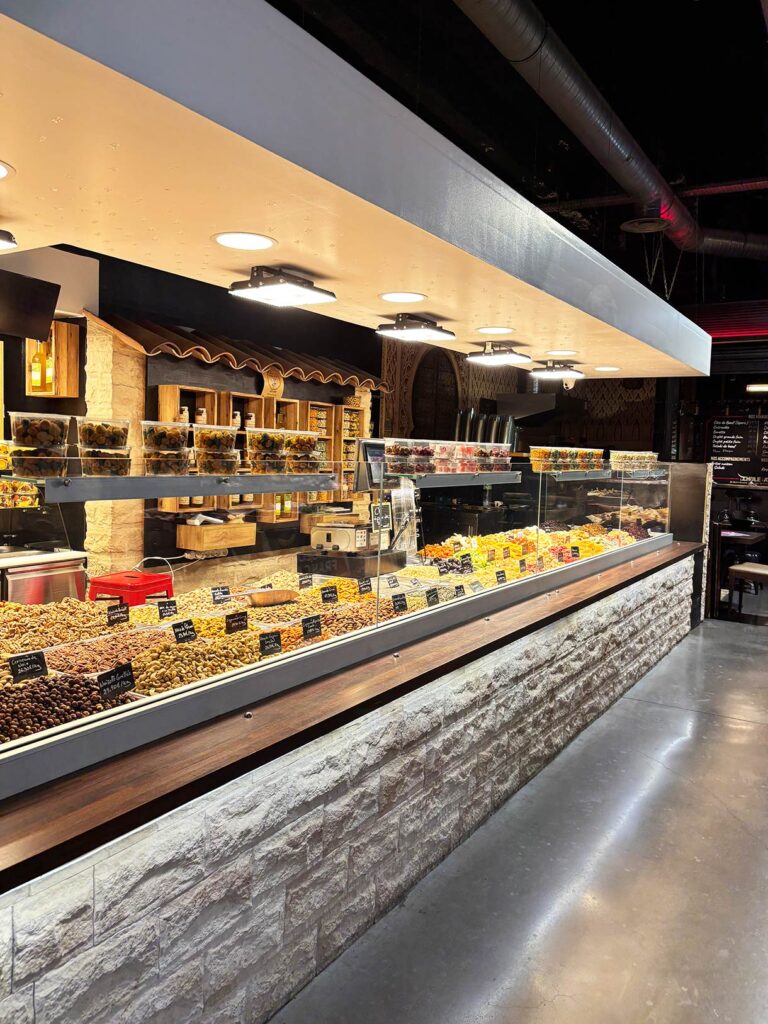
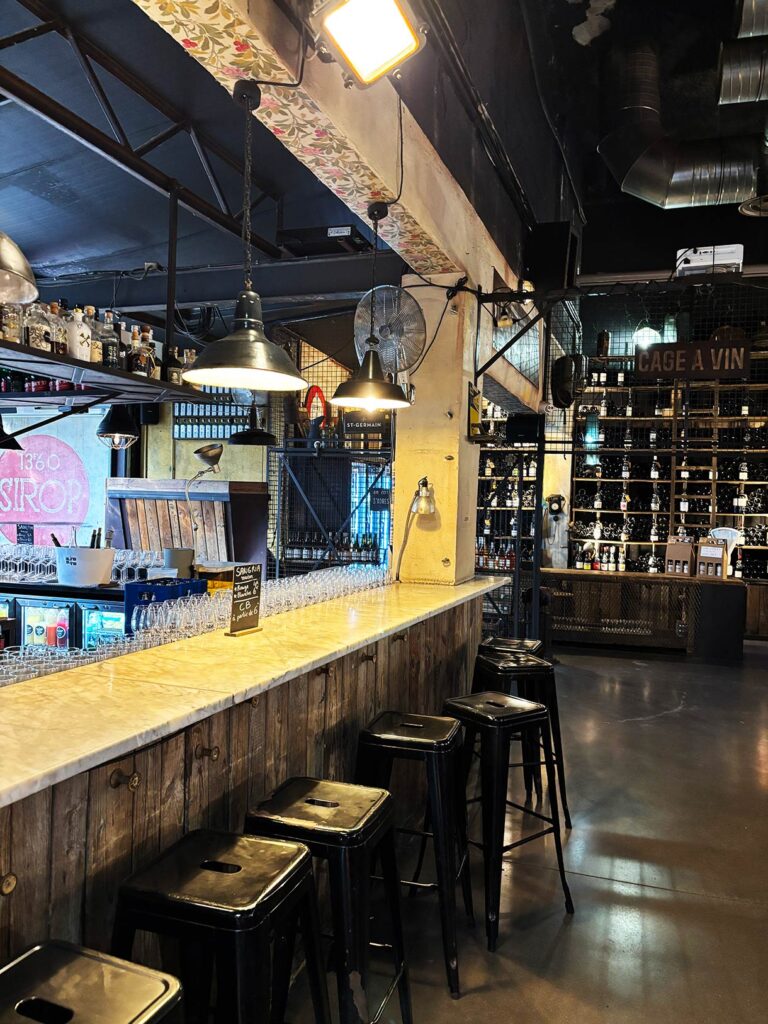
Perpignan’s central food market is divided in half, with one side dedicated to vendors selling ingredients like fruits, vegetables, cheese and meat, and the other side dedicated to food stalls where you can order a drink, snack or meal to eat in the market or take home.
I recommend stopping at the bakery (on the canal side) for a pastry and a coffee, which you can enjoy at their interior tables or at a bench along the water. Later in the evening, come back for an apero at Le Bar des Halles, where the garden tables get packed with locals early in the evening.
Basse Riverfront Promenades
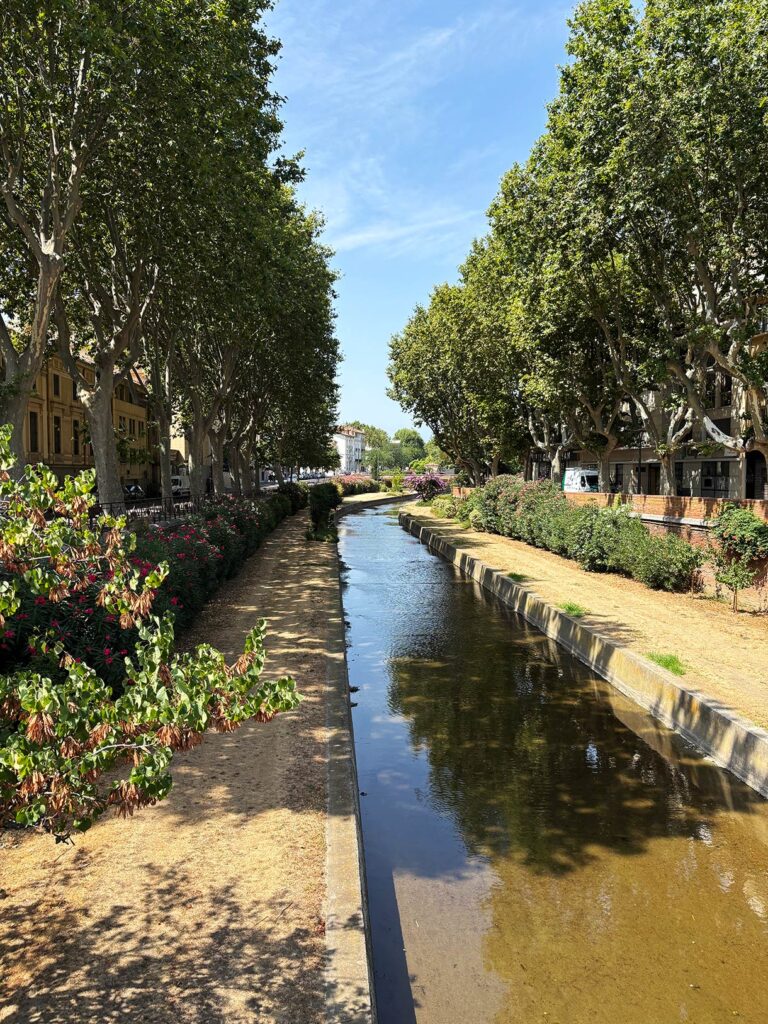
One of my favorite things about staying in the heart of Perpignan was walking along the waterfront promenades each morning and evening. These shady, tree-lined pathways line the Basse River, which flows through Perpignan on its way from the hills outside the city to the Mediterranean Sea.
At the time of my visit in the summer, there were performances held directly on the river several nights each week. One evening I saw dancers from the Paris Opera Ballet, and the following evening there was a well-known French rock singer named Sinclair.
Hyacinthe Rigaud Museum
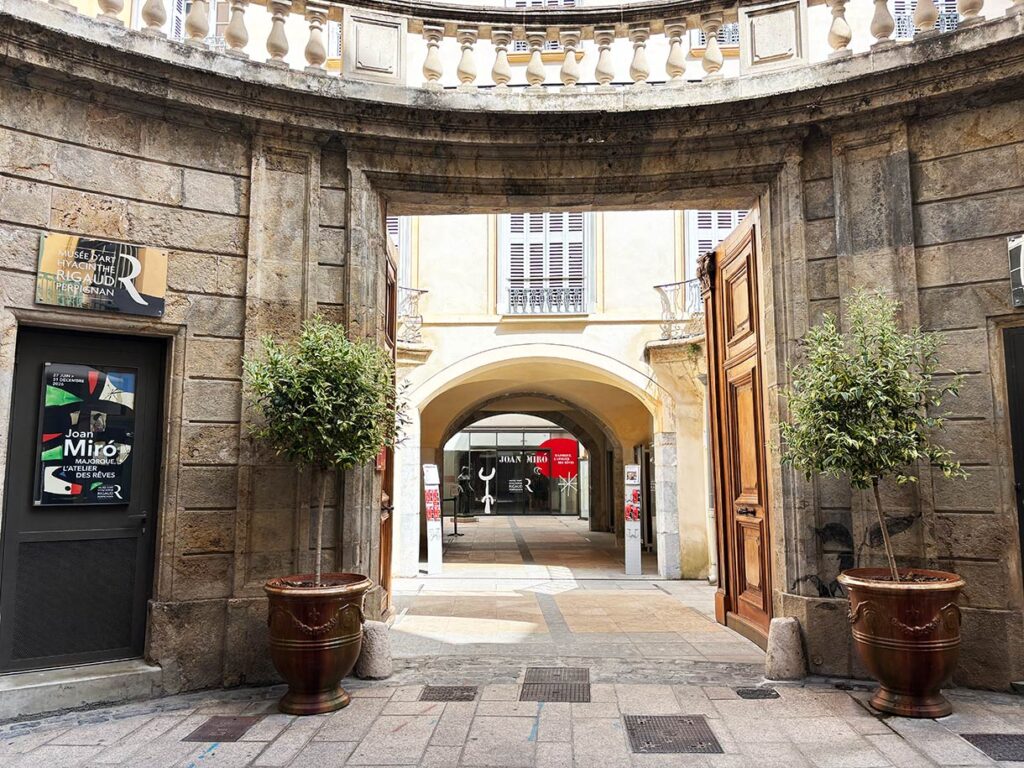
Spread across two historic mansions in the heart of Perpignan, the Hyacinth Rigaud Museum houses a collection of Gothic, Baroque and modern art, with a focus on works by artists who had spent time in Perpignan. Every summer they also put on a major temporary exhibit, which was about Joan Miro at the time of my trip.
Le Castillet / Musée Casa Pairal
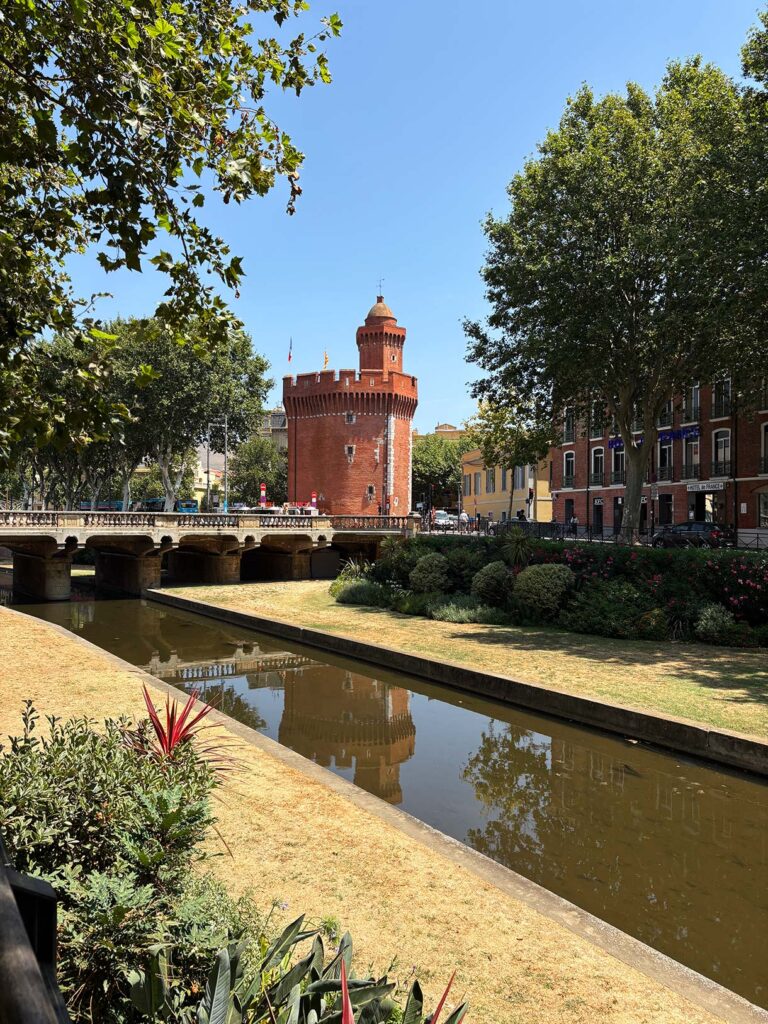
During my time in Perpignan I stayed in two apartment rentals, and both were within a one-minute walk of this brick landmark where the Basse River meets the entrance to the old town. It was a great location and while I can’t recommend either apartment, I would highly recommend staying near here when you’re in Perpignan.
The actual castillet tower dates back to the fifteenth century and served as an entrance to the fortified city center. From the 1500s to the 1800s it was used as a prison, and then more recently it became a museum.
A ticket to the museum (called Casa Parail) gives you access to the tower, including the panoramic viewpoint on the rooftop. On your way up you’ll pass through the museum’s collections, which focus on the folklore and traditional culture of Les Pays Catalans.
Casa Xanxo / CIAP
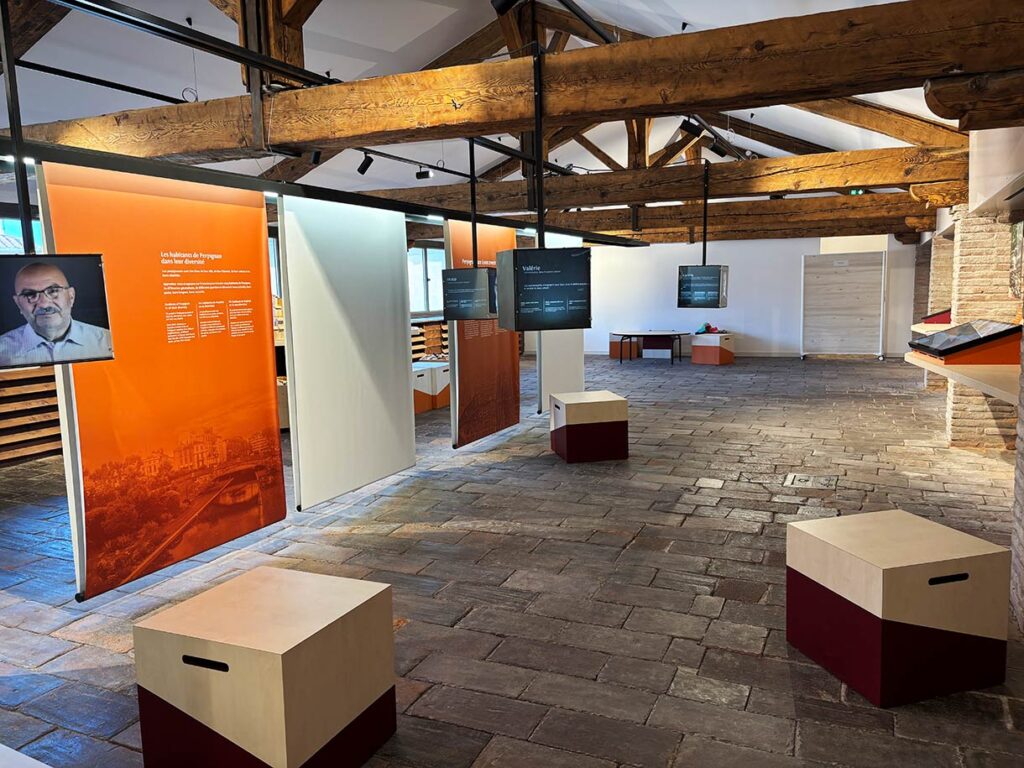
Casa Xanxo is a museum located inside the Gothic home of a former merchant. The building itself seems more designed to hold large quantities of goods, rather than to impress visitors à la Hotel Pams.
Inside Casa Xanxo you’ll find the city’s Architecture and Heritage Interpretation Centre (CIAP), a free museum focused mostly on the evolution of Perpignan and the centuries of urban planning that created the city you can see today. Most of the information is in French only, but with Google Translate you can easily understand what you’re seeing.
Natural History Museum
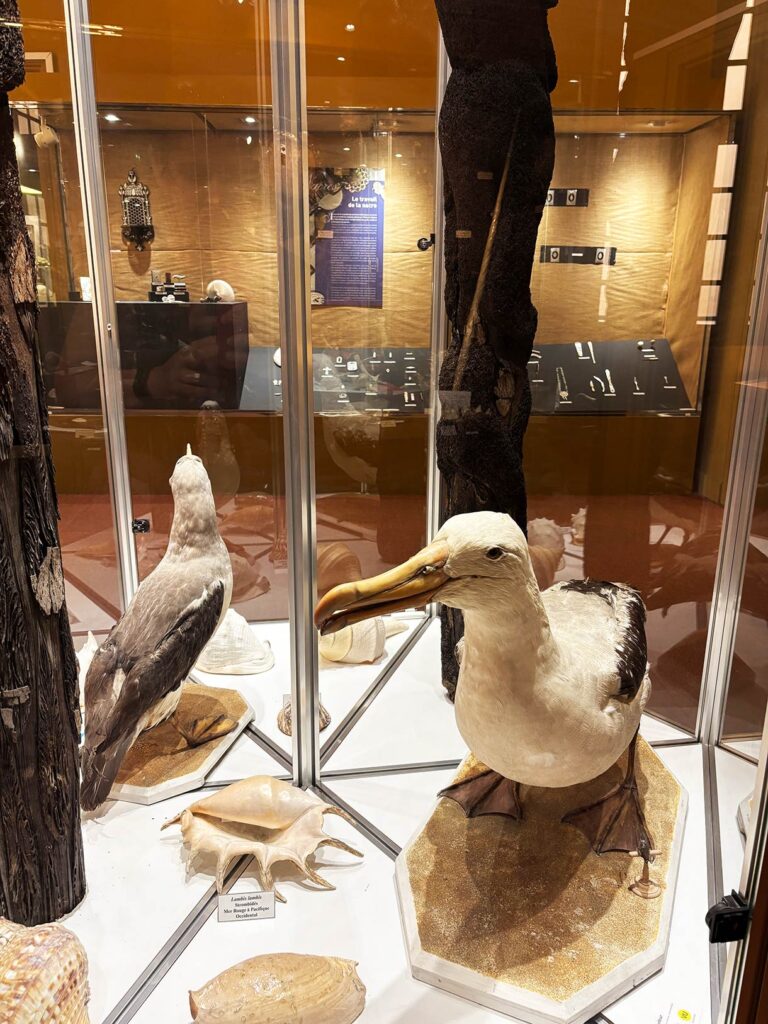
Another free thing to do in Perpignan is to visit the Natural History Museum – unsurprisingly located in another historic mansion. There is a large collection of old-fashioned taxidermied animals, with an especially noteworthy insect collection (which I skipped over for reasons described here).
However, the main draw in this free museum isn’t an animal – it’s a human. The Perpignan Natural History Museum is home to an Ancient Egyptian mummy, which was (supposedly) donated by Ibrahim Pasha after he visited the region and was particularly taken by a spa treatment in a town near Perpignan. I didn’t include a picture as I thought you might enjoy the surprise!
The Wedding Room at City Hall
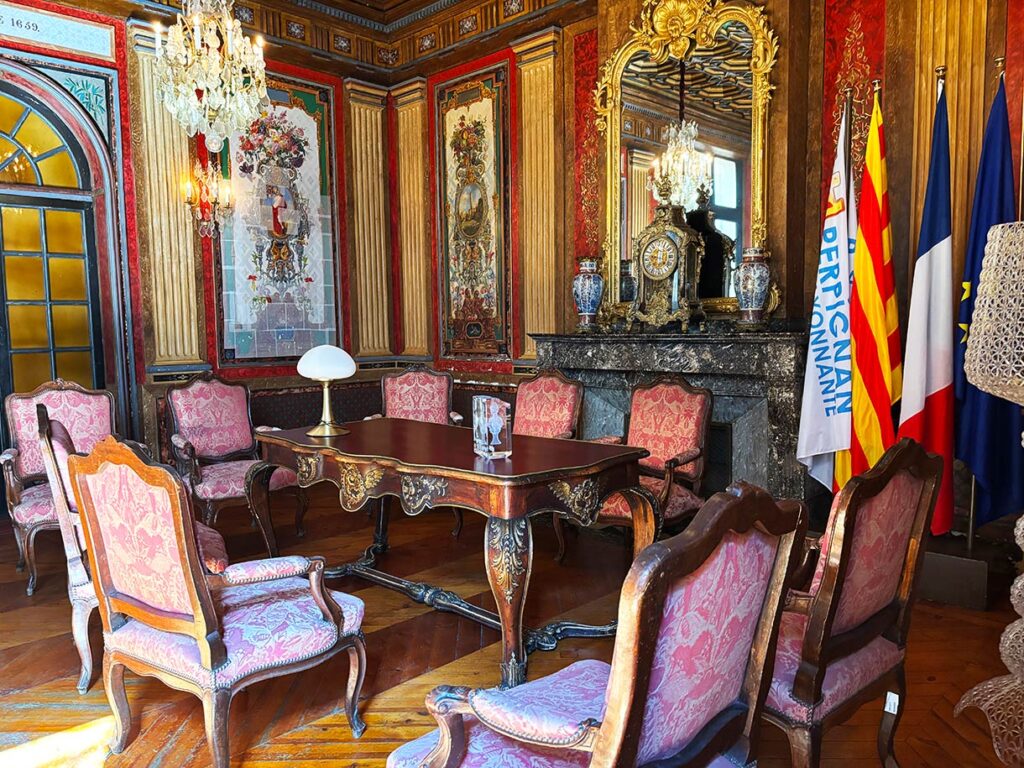
This wasn’t on my radar, but the Perpignan tourist information office recommended that I stop by the town’s city hall to see the pretty “wedding room”, or salle de mariage. You only need a minute or two to pop inside to see the ornate interior, but it’s worth stopping by.
(Presumably if there’s an actual marriage taking place you won’t be allowed inside!)
Museum of Coins and Medals Joseph Puig
I skipped this museum because I’m just not really that interested in coins. However, if numismatics are your thing, then you’ll want to check out this collection of more than 50,000 coins, some dating back 2,500 years. Like several of the other museums in Perpignan, this gallery is located in a beautiful historic mansion.
Serrat d’en Vaquer
Unfortunately I ran out of time and didn’t make it to this fortress just southwest of the city center. Nearby, there is a fourteenth-century aqueduct that also looks interesting. I believe it’s free to walk up the hill to the fortress ruins, which promise to deliver amazing views of Perpignan and the plains of Roussillon.
Local Shopping in Perpignan
The historic center of Perpignan is a great place for shopping. On the streets surrounding Place de la République you’ll find a mix of well-known French and European brands, as well as independent local boutiques.
Les Toiles du Soleil
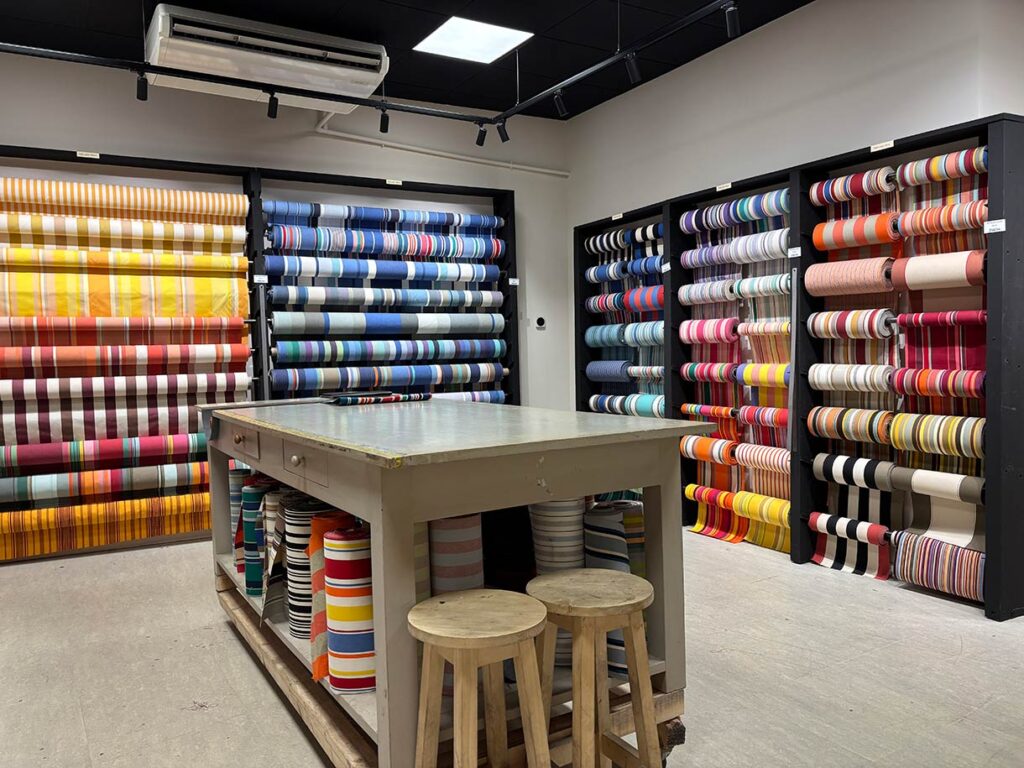
Catalonia is well-known for its canvas industry, and this shop in the heart of Perpignan is considered an iconic place to shop for canvas housewares, bags and decor – many of which can be made to order. The colorfully-striped fabrics of Les Toiles du Soleil are still made using traditional methods in a village in the mountains just outside Perpignan (in fact, if you have a car you can visit the factory – ask for details in the shop).
Esparcel
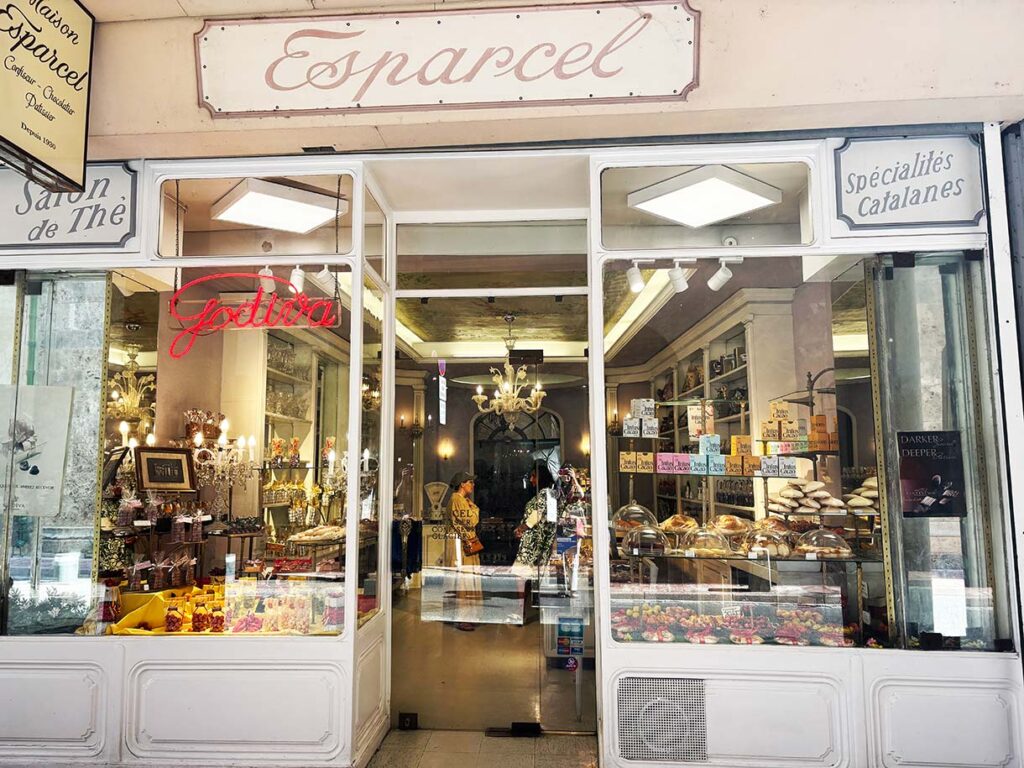
This family-run sweet shop in the historic center of Perpignan has been serving up pastries, chocolates and candies made according to traditional family recipes for more than 100 years. You won’t find Dubai chocolate here, but can you can expect to find colorful marzipan fruits, indulgent chocolates and creamy caramels.
Payote
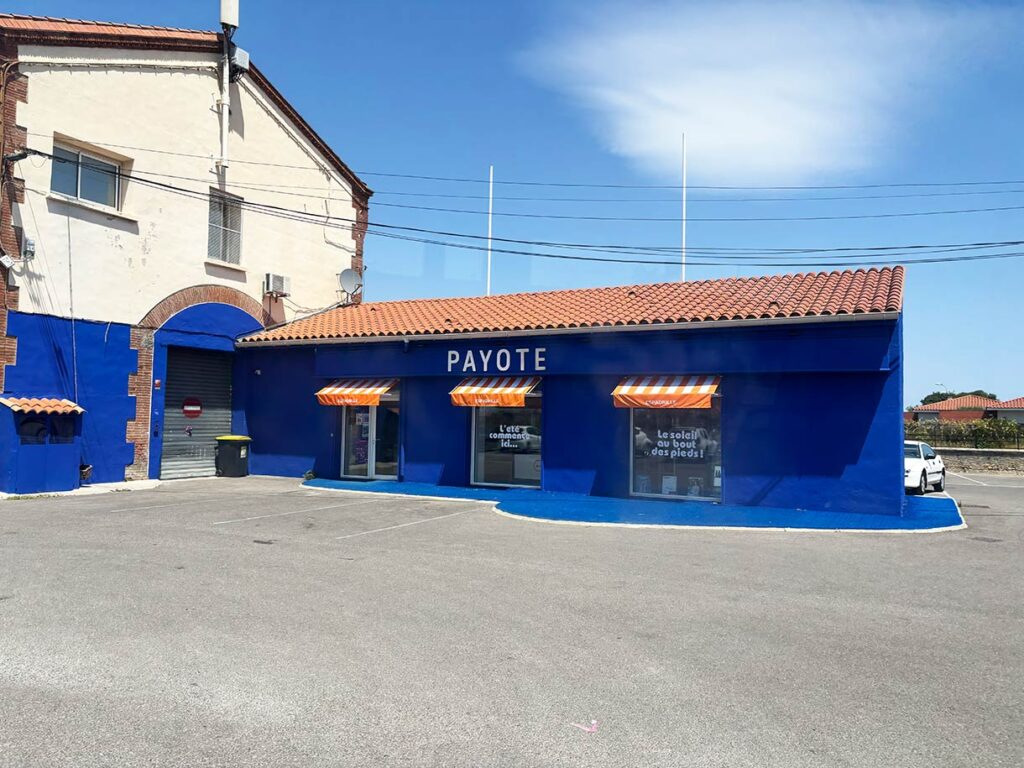
Espadrilles are most commonly associated with Spain, but since we’re here in the Pays Catalans on the border of France and Spain, it’s not surprising to find local shoemakers creating their own variations of these canvas-and-rope sandals.
Payote is the most famous espadrille brand in the region. They have a flagship shop on Avenue de la Salanque, just outside the city center (accessible by car or Bus #5). Stop by to check out their made-in-France shoes and sandals for men, women and children.
Day Trips from Perpignan
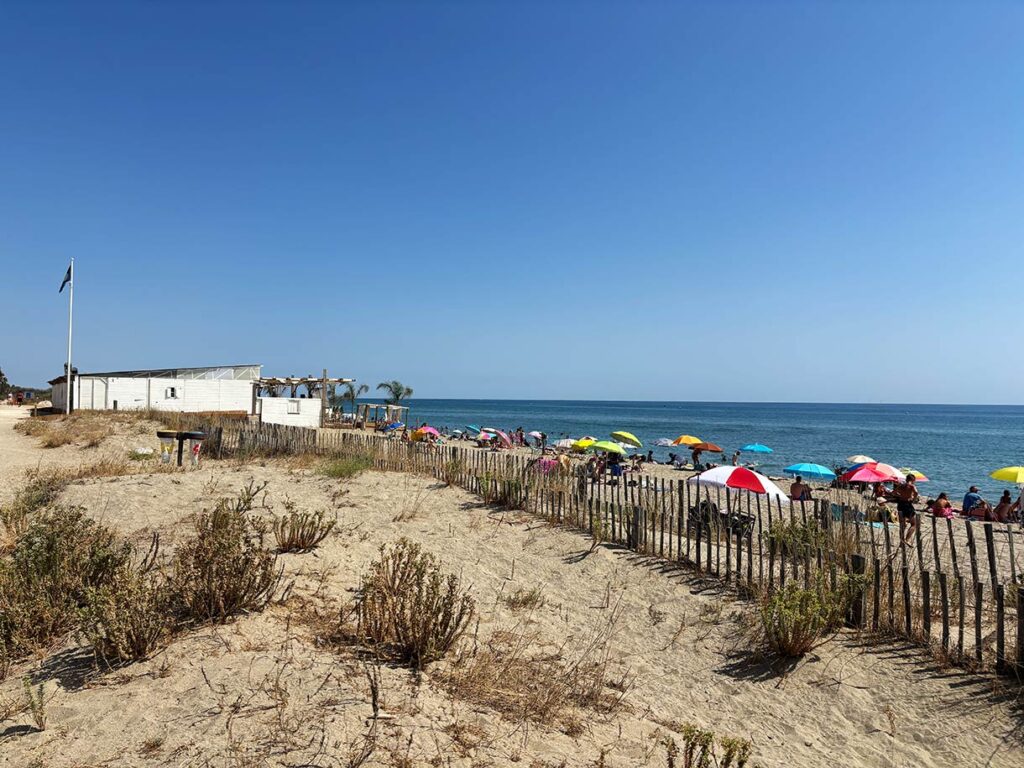
There are lots of great day trips from Perpignan, whether your preference is to spend a day soaking up the sun on a beach or to explore an exciting new town or city (or even a totally different country!).
- Sainte-Marie-la-Mer – Easily accessible by bus from Perpignan, this relaxed beach town (shown above) has calm waters and friendly local businesses lining its waterfront.
- Canet en Rousillon – Also a quick bus ride from Perpignan, this resort town is bigger, busier and louder. The beach has some waves, but the water stays shallow for hundreds of meters.
- Collioure – Voted France’s favourite village in 2024, this colorful town on the Vermilion Coast is perfect for swimming, strolling, shopping and relaxing. You can read my full guide at the link during the thirty-minute train ride from Perpignan.
- Beziers – This pretty town along the Canal du Midi has a charming historic center with a bustling food market, historic mansions and a hilltop cathedral. It’s less than an hour by train from Perpignan.
- Salses – Centuries of conflict over who should rule Catalonia are apparent at the huge Fort de Salses, a 15th-century castle just fifteen minutes by train from Perpignan.
- Figueres – Fast trains make the trip to Salvador Dali’s birthplace in Spain in just twenty-one minutes, but this day trip from Perpignan is best done by car. Book your ticket to the Salvador Dali Theatre Museum in advance, and then explore the rest of the city with my guide at the link.
Before you go, check out these related articles!
⛵The Best Things to Do in Sete, France
🌹 Things to Do on a Day Trip to Roses, Spain
🧀 Les Grands Buffets de Narbonne – A Complete Review
⭐ The Best Things to Do in Collioure, France
🏰 10 Things To Know About Visiting the Carcassonne Castle & Ramparts
🏰The Best Hotels Inside the Historic Walled City of Carcassonne
⛓️ I Slept in a Converted Prison Cell in Beziers, France (Hotel La Prison Review)
Planning a trip to France? Pin this post for later!
 |
 |